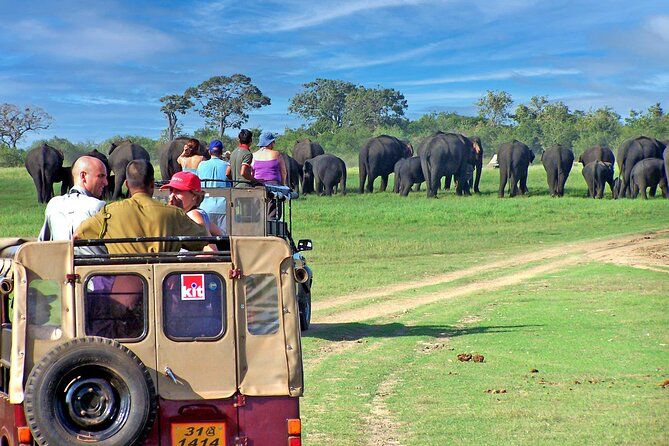
Sri Lanka, an island renowned for its stunning landscapes, rich biodiversity, and unique ecosystems, is home to some of the world’s most fascinating wildlife. From the mighty Sri Lankan elephant to the elusive leopard, the island’s species are a vital part of the global ecological balance. However, like many other regions, Sri Lanka’s wildlife faces increasing threats due to habitat destruction, poaching, and climate change. This is where conservation plays a pivotal role in ensuring the survival of these species and the preservation of their natural habitats. The Importance of Wildlife Conservation in Sri Lanka Wildlife conservation is not just about protecting animals—it’s about preserving the delicate balance of ecosystems. In Sri Lanka, conservation efforts are crucial for safeguarding the diverse range of flora and fauna that the island is home to. Many of these species are endemic, meaning they exist nowhere else on Earth. For instance, Sri Lanka’s national parks are home to the famous Sri Lankan leopard, the endangered purple-faced langur, and the Sri Lankan elephant. The survival of these animals is essential not only for maintaining biodiversity but also for ensuring the long-term health of the island’s ecosystems. Key Conservation Efforts in Sri Lanka National Parks and Protected AreasSri Lanka has established numerous national parks and nature reserves to protect its wildlife and their habitats. These protected areas, such as Yala National Park, Udawalawe National Park, and Sinharaja Forest Reserve, are vital for preserving wildlife populations and offering safe spaces for animals to thrive. These parks also attract eco-tourism, generating revenue that supports further conservation initiatives. Anti-Poaching MeasuresPoaching remains one of the biggest threats to wildlife in Sri Lanka. In response, the Sri Lankan government and various NGOs have implemented stricter anti-poaching laws and patrol systems to safeguard animals from illegal hunting and trafficking. Special wildlife protection units, often working in collaboration with local communities, have been instrumental in reducing poaching activities. Habitat Restoration and Forest ConservationDeforestation is a significant concern, particularly in Sri Lanka’s central hills, where logging and agriculture have severely impacted ecosystems. Efforts to restore degraded habitats through reforestation programs and sustainable land management practices are critical for ensuring that wildlife has access to healthy environments. The restoration of forests also helps mitigate the impacts of climate change by improving carbon sequestration and stabilizing the water cycle. Wildlife CorridorsThe creation of wildlife corridors is an innovative solution to the fragmentation of natural habitats. These corridors connect different protected areas, allowing animals to move freely between habitats, reducing the risks of inbreeding and promoting genetic diversity. For example, wildlife corridors linking the central and southern regions of Sri Lanka are helping elephants move safely between different parks, reducing human-wildlife conflicts. Community Involvement and EducationConservation is not just about protecting animals; it’s also about educating people and engaging local communities in sustainable practices. Many conservation projects in Sri Lanka involve local communities in protecting wildlife and their habitats. By providing education on the importance of wildlife, the dangers of poaching, and the benefits of eco-tourism, these programs foster a sense of responsibility and stewardship among local populations. The Challenges Ahead While conservation efforts in Sri Lanka have made significant progress, there are still many challenges to overcome. One of the most pressing issues is human-wildlife conflict, particularly between elephants and farmers. As human settlements expand, elephants often venture into agricultural areas, leading to crop damage and sometimes even fatalities. Addressing this issue requires a combination of better land-use planning, the establishment of elephant-friendly corridors, and the promotion of alternative livelihoods for communities affected by wildlife conflicts. Climate change also poses a serious threat to Sri Lanka’s wildlife, with shifting weather patterns, rising temperatures, and changing rainfall affecting both habitats and species. Conservation strategies must be adaptive to these challenges, incorporating climate-resilient practices that help protect wildlife from the impacts of a changing environment. The Role of Eco-Tourism in Conservation Eco-tourism has become an essential tool in conservation efforts in Sri Lanka. By promoting responsible tourism, eco-tourism generates much-needed funding for national parks and conservation programs. Visitors are encouraged to respect wildlife, stay on designated paths, and follow ethical guidelines to minimize their impact on the environment. The revenue from eco-tourism helps fund research, wildlife protection, and habitat restoration projects, creating a sustainable model for conservation that benefits both wildlife and local communities. How You Can Contribute to Wildlife Conservation As travelers, one of the most effective ways to support conservation in Sri Lanka is through eco-tourism. By choosing to visit national parks, wildlife sanctuaries, and conservation centers that promote responsible practices, you contribute to the financial and educational efforts that support wildlife protection. Additionally, by staying informed and spreading awareness about conservation issues, you can encourage others to get involved in preserving Sri Lanka’s incredible biodiversity. Conclusion Conservation plays a critical role in safeguarding Sri Lanka’s wildlife and natural heritage for future generations. Through the combined efforts of the government, NGOs, local communities, and travelers, significant strides are being made in protecting the island’s diverse species and ecosystems. However, challenges remain, and it’s essential that we continue to support and expand conservation initiatives to ensure the survival of Sri Lanka’s unique wildlife. By understanding the importance of these efforts and engaging in sustainable tourism, we can all contribute to the preservation of Sri Lanka’s natural wonders.
The Big Five of Sri Lanka: A Wildlife Enthusiast’s Guide to Iconic Species
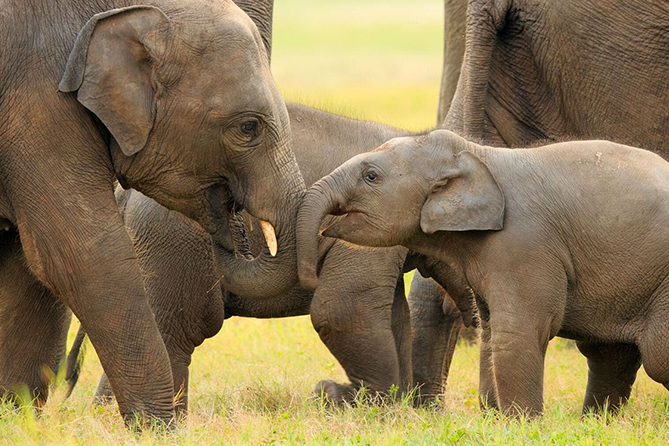
Sri Lanka is a paradise for wildlife enthusiasts, boasting an impressive range of animals that roam its lush landscapes and national parks. From leopards to elephants, the island is home to some of the most iconic species in the world. Often compared to Africa’s “Big Five,” Sri Lanka has its own unique set of iconic creatures that any nature lover should aim to see. Here’s a guide to the “Big Five” of Sri Lanka—five of the most remarkable species that represent the island’s rich biodiversity. 1. Sri Lankan Leopard (Panthera pardus kotiya) The Sri Lankan leopard is perhaps the most elusive and sought-after of the island’s wildlife. This subspecies of the leopard is native to Sri Lanka and is smaller than its African counterparts, but it is just as powerful and stealthy. Known for its beautiful spotted coat and incredible hunting skills, the Sri Lankan leopard primarily inhabits the dense forests of Yala National Park and Wilpattu National Park. This solitary predator is a symbol of the island’s wild beauty, and spotting one in the wild is a truly memorable experience for wildlife enthusiasts. 2. Sri Lankan Elephant (Elephas maximus maximus) The Sri Lankan elephant, a subspecies of the Asian elephant, is another iconic species of the island. These majestic creatures are found in the island’s national parks, especially in Udawalawe, Minneriya, and Kaudulla National Parks, where large herds can often be seen grazing. Sri Lankan elephants are a critical part of the ecosystem, helping to maintain the balance of their habitats by dispersing seeds and shaping the landscape. Due to human-wildlife conflict and habitat loss, they are considered endangered, making sightings even more significant. 3. Blue Whale (Balaenoptera musculus) Sri Lanka’s coastal waters are home to some of the largest creatures on Earth—most notably, the blue whale. These majestic marine mammals can be seen off the southern and eastern coasts, especially near Mirissa and Trincomalee, where whale watching tours are popular. The blue whale, the largest animal to have ever existed, can grow up to 100 feet long. Seeing these gentle giants breach the ocean’s surface is an awe-inspiring experience, and their presence off Sri Lanka’s shores highlights the island’s important role in marine conservation. 4. Purple-Faced Langur (Semnopithecus vetulus) The purple-faced langur, an endangered primate, is another icon of Sri Lanka’s wildlife. Found in the island’s forests, including the Sinharaja Rainforest and the central hills, these unique monkeys are known for their striking black faces and white fur around their faces, which gives them the “purple-faced” appearance. They live in small groups and feed primarily on leaves, fruits, and flowers. Conservation efforts are essential for protecting these fascinating primates, as they face threats from habitat loss and fragmentation. 5. Sri Lankan Sloth Bear (Melursus ursinus inornatus) The Sri Lankan sloth bear is a rare and distinctive subspecies of the sloth bear, known for its shaggy black coat and white chest marking. These nocturnal creatures are found in the island’s forests, particularly in the central and southern regions. Although they are typically shy and reclusive, sightings are possible in parks such as Yala and Wilpattu. The Sri Lankan sloth bear plays an important ecological role by helping control insect populations and dispersing seeds. Its declining numbers make it an endangered species, and ongoing conservation efforts are crucial to its survival. Why These Species Matter These iconic species of Sri Lanka not only represent the island’s incredible biodiversity but also serve as important indicators of the health of the ecosystem. Protecting them ensures the preservation of the habitats and landscapes they rely on, which also benefits other species, including humans. Conservation efforts in Sri Lanka, including the establishment of national parks, anti-poaching measures, and community-based initiatives, help safeguard these remarkable animals for future generations to appreciate. How to See the Big Five If you’re eager to see these iconic species in their natural habitats, Sri Lanka offers a range of eco-tourism opportunities. National parks like Yala, Udawalawe, Minneriya, and Wilpattu are prime spots for safaris, where you’ll have the chance to encounter elephants, leopards, sloth bears, and other wildlife. For marine enthusiasts, whale watching tours off the coast of Mirissa or Trincomalee are the best way to experience the awe-inspiring sight of blue whales in the wild. Visiting these locations supports local conservation efforts and contributes to the sustainability of Sri Lanka’s wildlife. Conclusion Sri Lanka’s “Big Five”—the Sri Lankan leopard, elephant, blue whale, purple-faced langur, and sloth bear—represent the island’s rich and diverse wildlife. Each species holds a special place in the island’s natural heritage, and spotting them in the wild is a unique experience that every wildlife enthusiast should aim to have. By supporting sustainable tourism and conservation efforts, we can all contribute to protecting these magnificent creatures and ensuring that future generations will have the opportunity to experience Sri Lanka’s extraordinary wildlife.
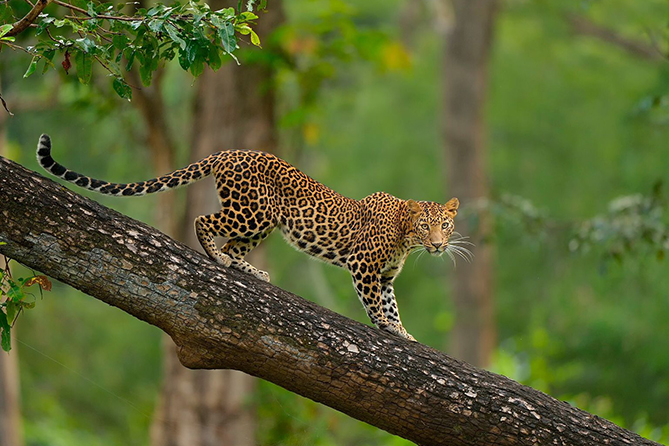
Spotting Sri Lanka’s Majestic Wildlife: Top Safari Experiences for Animal Lovers
Sri Lanka is a dream destination for wildlife enthusiasts, offering an incredible variety of species, from the majestic Sri Lankan elephant to the elusive leopard. With its diverse landscapes—ranging from tropical forests to open savannahs—Sri Lanka is home to an astounding array of animals, many of which are found nowhere else on Earth. If you’re an animal lover, there’s no better way to experience the island’s natural wonders than by embarking on a thrilling safari. Here’s a guide to the top safari experiences in Sri Lanka where you can witness its majestic wildlife up close. 1. Yala National Park: The Leopard Haven Yala National Park, located in the southeast of Sri Lanka, is one of the most famous safari destinations on the island. Known for its high density of leopards, Yala offers some of the best opportunities to spot this elusive big cat in the wild. Along with leopards, the park is home to elephants, crocodiles, and a variety of bird species. The park’s diverse landscapes, including open plains, dense forests, and lagoons, create a perfect environment for wildlife to thrive. A safari here is a must for anyone hoping to see the Sri Lankan leopard in its natural habitat. Best For: Leopard sightings, elephants, birdwatching 2. Udawalawe National Park: The Elephant Paradise If elephants are on your must-see list, Udawalawe National Park should be at the top of your list. Situated in the island’s southern region, Udawalawe is renowned for its large herds of wild Sri Lankan elephants. With over 500 elephants residing in the park, you are almost guaranteed to encounter these gentle giants. The park’s open grasslands, wetlands, and reservoirs also attract a range of other wildlife, including water buffalo, monkeys, and numerous bird species. The highlight of any visit to Udawalawe is the chance to see elephants in their natural environment, whether they’re grazing, bathing, or playing in the water. Best For: Elephant watching, birding, photography 3. Wilpattu National Park: A True Wildlife Sanctuary Wilpattu National Park, located on the northwest coast of Sri Lanka, is the island’s oldest and largest national park. Known for its serene and peaceful atmosphere, Wilpattu offers a more tranquil safari experience compared to some of the other more popular parks. The park is famous for its “villus”—natural lakes or lagoons—and its diverse wildlife, including leopards, elephants, sloth bears, and a variety of bird species. Wilpattu is particularly ideal for those looking to escape the crowds and enjoy an authentic, off-the-beaten-path safari experience. Best For: Leopard sightings, sloth bears, tranquility 4. Minneriya National Park: The Great Elephant Gathering Minneriya National Park, located in the North Central Province, is one of the best places in Sri Lanka to witness the famous “Great Elephant Gathering.” Every year, between July and September, hundreds of elephants converge around the Minneriya Tank, creating a spectacular sight that attracts wildlife lovers from around the world. In addition to elephants, Minneriya is home to a variety of other wildlife, including sambar deer, monkeys, and a rich diversity of bird species. A jeep safari through Minneriya is the perfect way to experience this natural wonder. Best For: Elephant gathering, birdwatching, nature photography 5. Horton Plains National Park: For Nature Lovers and Birdwatchers Horton Plains National Park, located in the central highlands of Sri Lanka, offers a different kind of wildlife experience. Unlike the savannahs and jungles of other parks, Horton Plains is characterized by misty grasslands, montane forests, and cool temperatures. The park is home to several endemic species, including the Sri Lankan sambar deer and the purple-faced langur. Horton Plains is also a paradise for birdwatchers, with species like the Sri Lanka bush warbler and the Sri Lanka white-eye. The park’s famous “World’s End” viewpoint offers breathtaking views of the surrounding landscape, making it an unforgettable experience for nature lovers. Best For: Birdwatching, trekking, scenic views 6. Sinharaja Forest Reserve: A UNESCO World Heritage Site Sinharaja Forest Reserve, a UNESCO World Heritage Site, is one of the last remaining tropical rainforests in Sri Lanka and is renowned for its biodiversity. The reserve is home to a vast number of endemic species, including the purple-faced langur, Sri Lankan red-faced malkoha, and various reptiles and amphibians. A guided trek through the dense rainforest offers the chance to spot rare and elusive creatures while immersing yourself in the sights and sounds of the jungle. The reserve is also an important site for conservation and environmental research, making it a vital area for wildlife protection. Best For: Rainforest experiences, birdwatching, endemic species 7. Kaudulla National Park: A Hidden Gem for Elephant Lovers Located near the Minneriya National Park, Kaudulla National Park is another fantastic location to see elephants, especially during the dry season when large herds congregate around the park’s water sources. The park is less crowded than Minneriya, making it a great spot for those looking for a more peaceful and intimate safari experience. In addition to elephants, Kaudulla is home to several other species, including sambar deer, wild boars, and a variety of bird species, making it a wonderful spot for wildlife photography. Best For: Elephant sightings, peaceful safaris, birdwatching 8. Pinnawala Elephant Orphanage: A Unique Elephant Experience While not a traditional safari, the Pinnawala Elephant Orphanage offers a unique opportunity to interact with and learn about Sri Lanka’s elephants. Located about 80 kilometers from Colombo, the orphanage is home to over 80 elephants, many of whom were orphaned or abandoned. Visitors can watch the elephants being bathed in the river, fed, and cared for by their keepers. It’s a fantastic place for families and animal lovers to learn about the conservation efforts to protect elephants in Sri Lanka. Best For: Elephant education, family visits, interaction with elephants Conclusion Sri Lanka is a true haven for wildlife lovers, offering a range of safari experiences that allow you to encounter some of the world’s most magnificent animals in their natural habitats. Whether you’re looking to spot the elusive leopard in Yala, witness the Great Elephant Gathering in Minneriya, or explore